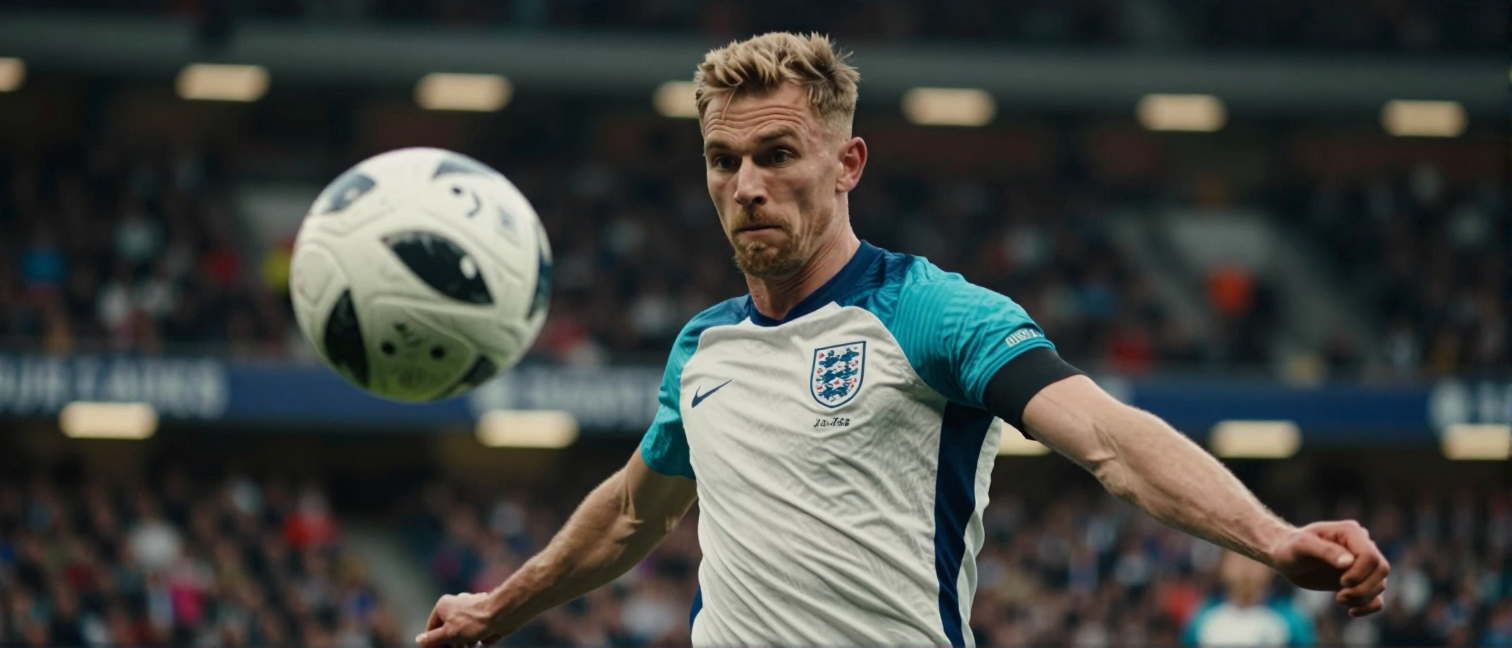
John Stones produced a World Cup performance for the ages in Miami on Saturday, steering England past Norway with a display that has reignited debates over his place among the Three Lions’ all-time greats.
What happened in Miami?
The game hung in the balance late in the first half when Alexander Sorloth broke free for Norway. Stones, reading the danger like a veteran, chose to shadow Erling Haaland instead of lunging at the Norwegian. The ploy worked. Sorloth hesitated, delayed his shot, and Ezri Konsa blocked the attempt. Stones’s positioning and anticipation had tilted the moment England’s way.
England’s 2–1 victory sent them through to the World Cup semi-finals. Stones played every minute of the gruelling 140-minute slog, a quarter-final that stretched deep into extra time. It was his latest exhibition of tournament resilience, a trait that has defined his England career.
Why John Stones stands above the rest
Stones has now played more World Cup and European Championship games than John Terry, Rio Ferdinand, or Sol Campbell. He owns 93 caps—more than any of them. Yet his name doesn’t always sit at the top of the conversation when England’s centre-backs are ranked.
That gap is closing. Twice a World Cup semi-finalist and twice a European Championship finalist, Stones may soon add a World Cup winners’ medal to his haul. His trophy cabinet already includes six Premier League titles with Manchester City, though his club future remains unsettled after his contract expired.
At 32, Stones is defying the odds. He hasn’t started a Premier League game for City since August 2025, sidelined by injuries and overtaken by younger centre-backs like Marc Guéhi. Yet in Florida, he looked like the player who anchored England’s 2018 World Cup run and every tournament since.
How Stones outsmarted Sorloth
The moment crystallised Stones’s genius. Faced with a choice—close Sorloth or mark Haaland—he chose the smarter path. By staying close to Haaland, he forced Norway’s hand. Sorloth’s delayed decision gave Konsa the split second needed to block the shot.
It wasn’t the only Stones contribution. He headed clearances, made last-ditch tackles, and marshalled a defence that leaked goals under pressure. His reading of the game was immaculate, a reminder that age hasn’t dulled his edge.
What’s next for John Stones?
England’s semi-final awaits. Stones’s body has taken a beating, but his mind remains sharp. He’s playing like a man with something to prove—both to critics and to himself.
Off the pitch, his next club chapter is unwritten. With his City contract expired, Stones is a free agent. The World Cup stage may be his final chance to add another chapter to a legacy already packed with tournament heroics.